
AI & technology
Advocating Responsible AI Policy for Small Business Success
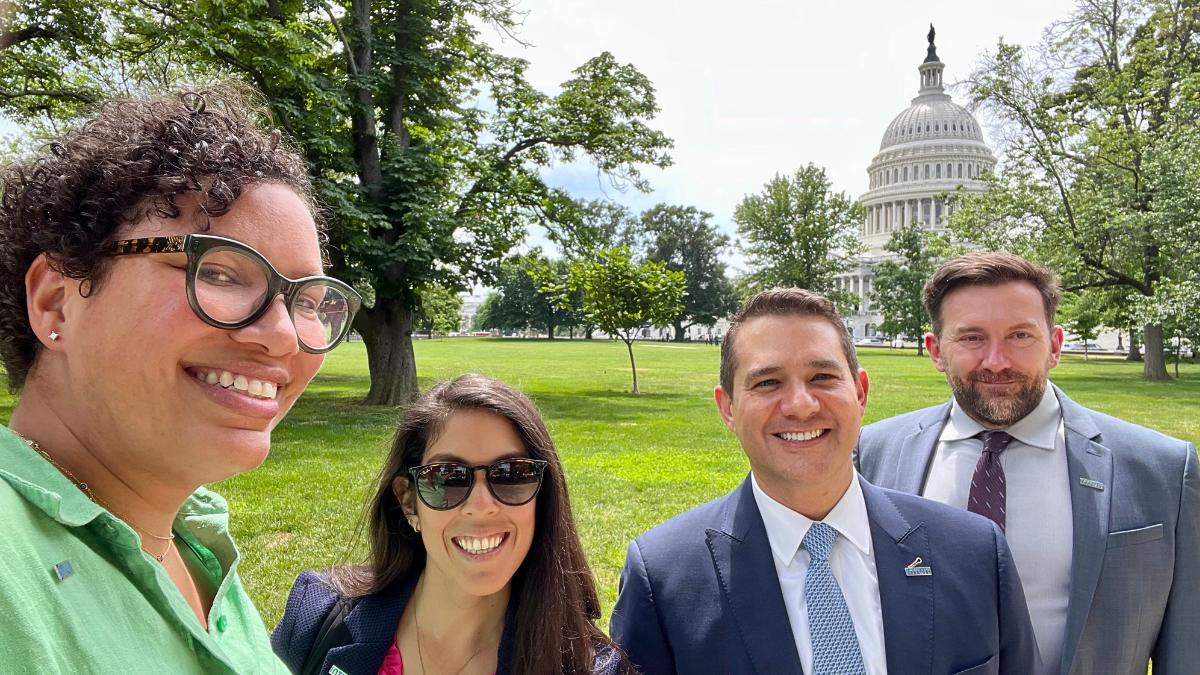
Bringing Small Business Voices to Washington
In May 2024, as CEO of Ravenox, I joined fellow members of the Intuit Small Business Council in Washington, D.C. We met with policymakers to discuss artificial intelligence and its role in helping small businesses.
During the May 2024 fly-in, which coincided with Intuit’s fourth annual Small Business Success Month, Council members met with members of Congress, officials from the Small Business Administration (SBA), and representatives from the Senate Small Business Committee. Our discussions focused on responsible AI policy, technology adoption, and access to useful training and resources.

AI and the Future of Small Business
Artificial intelligence is rapidly transforming how small businesses operate, from automating financial tasks to enhancing marketing performance and improving access to capital. Yet, as Other Council members and I emphasized during our meetings, AI policies must balance innovation with accessibility and fairness.
Today, small business owners often serve as their own CEOs, accountants, marketers, and logistics managers. AI tools can ease these burdens by automating repetitive tasks, predicting cash flow, personalizing customer outreach, and improving financial decision-making accuracy.
Platforms like QuickBooks, Mailchimp, and Credit Karma now embed AI features that help small businesses streamline operations:
-
Cash Flow Forecasting predicts revenue and expenses weeks ahead.
-
Expense Tracking and Categorization eliminates manual bookkeeping.
-
Anomaly Detection flags accounting errors before they affect performance.
-
Mailchimp’s Creative Assistant automatically designs branded marketing content.
-
QuickBooks Capital uses AI-driven analysis to provide funding to businesses often overlooked by traditional lenders.
These tools demonstrate how technology can level the playing field, but only if entrepreneurs have the knowledge and access to use them effectively.
Shaping Responsible AI Policy
During the fly-in, Council discussions centered on how policymakers can help ensure small businesses are not left behind in the AI revolution. Fellow members and I urged lawmakers to focus on three key priorities:
1. Building AI Literacy and Education
Many small business owners are eager to explore AI but lack the training or confidence to adopt it. The Council advocated for programs to educate small businesses and SBA advisors on AI-powered tools, such as supporting the Small Business Broadband and Emerging Information Technology Enhancement Act (S.2677), which provides AI literacy training and technical assistance through SBA resource partners.
2. Modernizing Funding and Resource Programs
Existing small business loan and grant programs often exclude emerging technologies as eligible expenses. The Council supported the Small Business Technological Advancement Act (S.2330), which would ensure entrepreneurs can use SBA loan funds to adopt AI and other digital tools that enhance productivity and growth.
3. Ensuring Small Business Representation in AI Governance
As AI policy evolves, small businesses must have a seat at the table in shaping the rules that govern its use. The Council recommended establishing a dedicated AI advisory council within the SBA and appointing a Chief AI Officer to ensure that small business perspectives guide federal strategy.
A Responsible Path Forward
The conversations in Washington took place at a pivotal moment, as Congress and the Administration debated how to regulate AI responsibly. While broad legislation remains uncertain, the groundwork laid in these early discussions will define how technology impacts entrepreneurs for decades to come.
I highlighted that responsible AI development must prioritize transparency, fairness, and accessibility, ensuring small businesses have the tools and training to compete on equal footing. My participation in the Council reflects a long-standing commitment to connecting innovation with policy, bridging the gap between Main Street and Washington to help shape a more inclusive digital economy.
Empowering Entrepreneurs Through Innovation
From financial automation to marketing optimization, AI is already reshaping what’s possible for small business owners. But as The Council and I made clear, policy must evolve alongside innovation, ensuring technology serves as a force multiplier rather than a barrier.
Through continued collaboration between the private sector and government, AI can help entrepreneurs save time, cut costs, and make smarter decisions, creating stronger businesses and stronger communities.
My advocacy with the Intuit Small Business Council continues to reinforce my broader mission: to empower small business owners through access, education, and responsible innovation that drives long-term prosperity for all.
Continue exploring
All News →
Sean Brownlee Discusses Small-Business Supply-Chain Pressure with CNN
CNN Business interviewed me about the pressure on American manufacturers and small businesses. I share the Ravenox operating experience behind that conversation—from tariffs and longer...
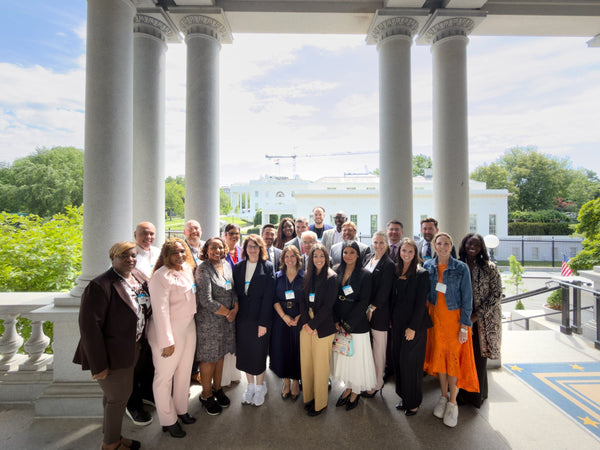
From Advocacy to Action: Payments & AI
I returned to Washington with the Intuit Small Business Council to discuss payment modernization on Capitol Hill and small business AI adoption at the White...
Federal Contracting: From Operational Procurement to Supplier Performance
From managing mission-support project finances in Afghanistan to repeat government orders, supplier coordination and acceptance documentation.