
Selected Projects
Federal Contracting: From Operational Procurement to Supplier Performance

My experience with government procurement started in Afghanistan, where I managed more than $1 million in mission-support projects alongside my duties as a Marine Special Operations Element Leader and combat advisor. Years later, I would see the same process from the other side as a business owner supplying federal customers.
Afghanistan mission support · Federal procurement · Supplier performance
Solving Problems in Afghanistan
In Afghanistan, we had mission requirements that weren't being filled quickly enough through the normal requisition process. We needed facilities and infrastructure at the firebase, so I worked with the higher-headquarters financial officer to find another way to get the work done.
We began hiring local contractors and laborers to complete the projects ourselves.
More Than $1 Million in Projects
I served as the Pay Agent for our Marine Special Operations Team and managed more than $1 million in projects. We built a bakery, barracks, a helicopter landing zone, toilets and other facilities we needed to operate.
I negotiated building contracts through multiple local contractors, managed the government funds and supervised a local workforce that grew to nearly 100 people. The work ultimately drew personal praise from General David McKiernan, who was commanding NATO forces in Afghanistan at the time.
This wasn't my primary job. It was another responsibility alongside serving as an Element Leader and combat advisor to Afghan Commandos during combat operations. I was working with Afghan partner forces while also coordinating with Civil Affairs, information operations and other Special Operations elements supporting our mission.
That combination was important. The projects weren't theoretical acquisition exercises. We were solving immediate operational problems, working with local businesses and labor, and remaining accountable for a significant amount of government money while continuing to execute the mission.
Accountability Matters
Being a Pay Agent did not make me a Contracting Officer, and I don't represent it that way. My responsibility was to properly manage and account for government funds while working within the authorities and processes established for the program.
It taught me something I've carried into business ever since: solving the problem is only part of the job. You also have to understand the requirement, know what you're authorized to do, document what happened and remain accountable for the result.
Seeing Procurement from the Other Side
Years later, as a business owner, I began working with the federal government from the supplier side.
That meant reading solicitations, understanding technical requirements, finding the right suppliers, developing pricing, preparing offers and determining whether we could actually deliver what the customer needed.
I've worked across different product categories, including cordage, mooring and towing systems and other equipment. The products change, but the fundamentals don't: understand the requirement, find a reliable solution, price it responsibly and deliver what you said you would deliver.
Working with Federal Customers
The businesses I've operated have supported customers including the U.S. Navy through NAVSUP, NOAA, U.S. Customs and Border Protection, the Defense Logistics Agency and an Air National Guard customer.
Every requirement is different. Some are straightforward product purchases. Others involve detailed specifications, sourcing challenges, production lead times, inspection requirements, shipping coordination or documentation that has to be completed before the work is finished.
Repeat business matters to me because it is one of the clearest indicators that you did the first job correctly.
The Work Doesn't End with an Award
Winning an order is only the beginning. Then you have to perform.
That can mean coordinating manufacturers and suppliers, monitoring production, arranging inspection, managing shipping, communicating with the customer and making sure the documentation is right. I've managed federal orders through those stages from award through delivery, acceptance and final payment.
It's not glamorous work, but it's where a lot of contracts succeed or fail. A good proposal doesn't mean much if you can't execute after the award.
Continuing Acquisition Education
I later supplemented that experience with extensive Defense Acquisition University coursework covering acquisition, contracting, cost analysis, logistics, quality and related disciplines.
The coursework gave me a more formal understanding of many of the systems and processes I had already encountered from both the government and supplier sides. My complete Defense Acquisition University course history is available on my Education & Training page.
Applying Both Perspectives Today
Today, I bring those experiences into my consulting work. I help organizations evaluate government opportunities, understand solicitations, assess sourcing and pricing, develop proposals and think through what it will actually take to perform if they win.
I tend to come back to a simple question: can we actually solve the customer's problem and deliver what we're promising?
That's the perspective I learned in Afghanistan, carried into business and continue to apply today.
Related Work
Continue exploring
All News →
Sean Brownlee Discusses Small-Business Supply-Chain Pressure with CNN
CNN Business interviewed me about the pressure on American manufacturers and small businesses. I share the Ravenox operating experience behind that conversation—from tariffs and longer...
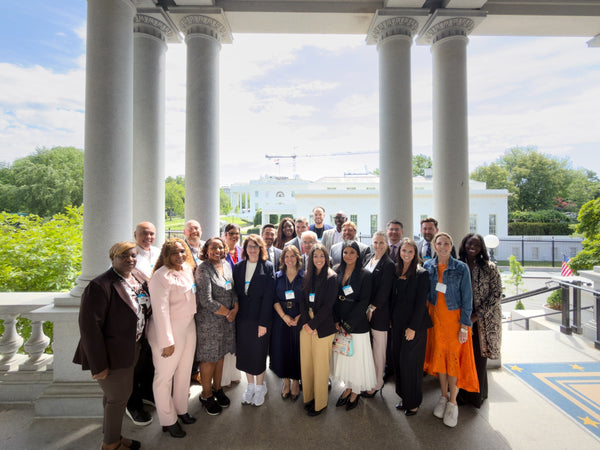
From Advocacy to Action: Payments & AI
I returned to Washington with the Intuit Small Business Council to discuss payment modernization on Capitol Hill and small business AI adoption at the White...
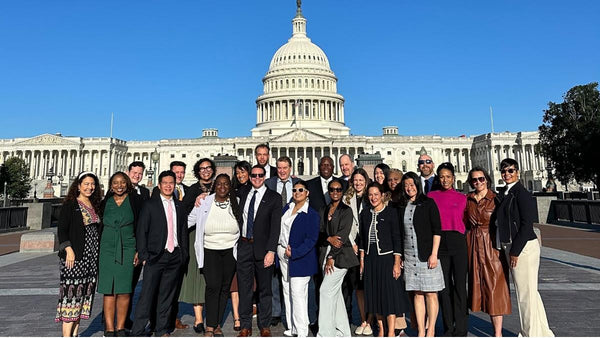
Modernizing Payments to Strengthen Small Business Success
My work with the Intuit Small Business Council focuses on how faster, simpler payments can help small businesses manage cash flow and plan for growth.