
Policy & advocacy
From Advocacy to Action: Payments & AI
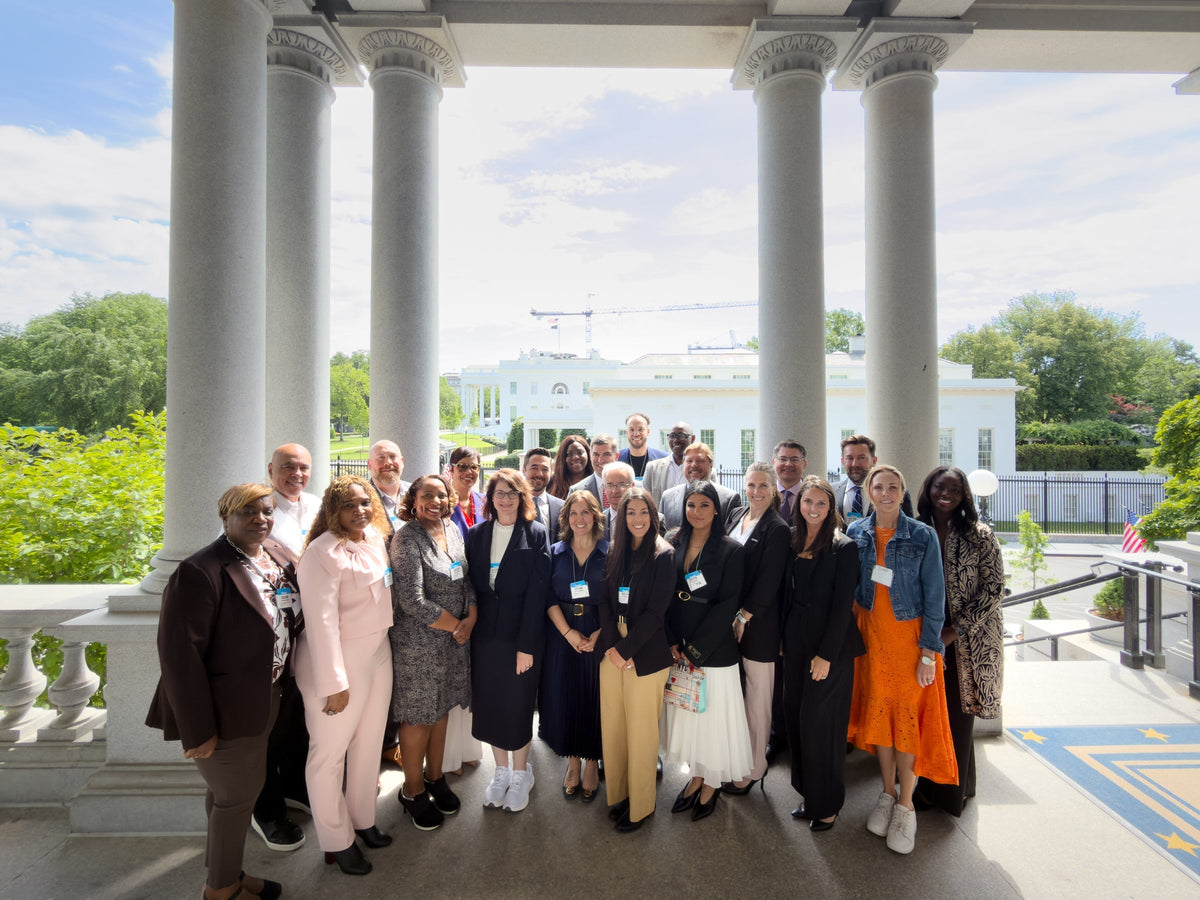
In May 2026, I returned to Washington, D.C. with the Intuit Small Business Council for two days of federal advocacy focused on the future of small business. On May 12, I joined fellow entrepreneurs on Capitol Hill to advocate for payment modernization and support H.R. 8395, the Payments Access and Consumer Efficiency Act, or PACE Act. The following day, I participated in a White House Small Business AI Roundtable focused on artificial intelligence adoption, AI literacy, and the development of a clear national policy framework for small businesses.
The 2026 trip took place in my fourth calendar year of work with the Intuit Small Business Council, following my participation in 2023, 2024, and 2025. Conversations about digital inclusion, emerging technology, and payments were developing into more specific policy proposals and legislative action.
From Payment Advocacy to Legislative Action
Payment modernization was a central focus of the Council’s 2025 advocacy in Washington. Small businesses routinely operate with tighter cash reserves and less financial flexibility than larger companies, making the timing of payments especially important. A delayed payment can affect inventory purchases, payroll, supplier obligations, hiring decisions, and whether a business can confidently pursue new opportunities.
In 2026, that policy discussion advanced another step. H.R. 8395, the Payments Access and Consumer Efficiency Act, had been introduced in the House of Representatives, giving Small Business Council members an opportunity to move beyond awareness and directly advocate for congressional action.

Advocating for the PACE Act on Capitol Hill
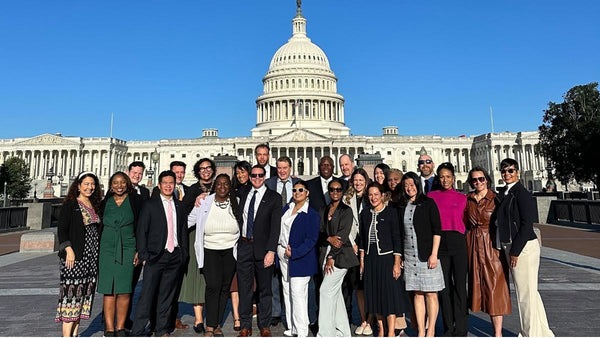
During Capitol Hill Day on May 12, I met with Senate and House offices to discuss how delays, complexity, and limited visibility within the U.S. payments system affect small businesses. Council members encouraged lawmakers to support H.R. 8395 and advance broader reforms that could make payments faster, more predictable, and more efficient for entrepreneurs.
I met with the offices of:
- Senator Ted Budd
- Senator Lindsey Graham
- Senator John Boozman
- Representative Richard Hudson
- Representative William Timmons
- Representative Steve Womack
The message was practical. Payment policy is not simply a financial-services issue. For a small business, the timing of cash entering an account can determine whether an owner can pay a supplier, purchase inventory, make payroll, invest in equipment, or accept a larger contract.

Why Faster and More Predictable Payments Matter
Small businesses often lack the financial cushion available to larger companies. A payment that arrives several days late can create consequences throughout the business, particularly when payroll, rent, taxes, inventory purchases, and supplier payments continue on fixed schedules.
Payment modernization can reduce this friction by giving businesses greater certainty over when funds will arrive and improving visibility into transactions. Faster and more predictable settlement can also reduce reliance on credit cards, lines of credit, or personal funds to bridge temporary cash-flow gaps.
My advocacy has consistently focused on translating policy into these operational realities. For small businesses, seemingly minor inefficiencies can directly influence decisions about hiring, investment, expansion, and growth.
Bringing Small Business AI Experience to the White House
On May 13, I joined fellow Intuit Small Business Council members at the White House for a Small Business AI Roundtable at the Eisenhower Executive Office Building. The discussion brought entrepreneurs together with Administration officials to examine how artificial intelligence is already being used by small businesses and how future policy can encourage responsible adoption without creating unnecessary barriers.

I participated in discussions with federal officials including William “Bill” Briggs, Deputy Administrator of the U.S. Small Business Administration; Ethan Klein, Chief Technology Officer and Associate Director of the White House Office of Science and Technology Policy; and Jake Easter, Policy Advisor for AI Education and Workforce at the Office of Science and Technology Policy.
The discussion addressed how small businesses are using AI today, the importance of AI literacy, strategies for increasing small business adoption, and the need for a federal policy framework that provides businesses with clarity and consistency as the technology evolves.
How AI Is Changing Small Business Operations
I brought practical examples from Ravenox to the discussion. AI is now integrated into operational workflows that historically required outside agencies, additional software platforms, or substantial manual effort.
At Ravenox, those applications include generating and updating product content, assisting with website development and Shopify coding, optimizing e-commerce listings, processing supplier catalogs, supporting pricing and product-data management, improving customer and vendor communications, and helping identify and evaluate government contracting opportunities.
One of the most significant changes is the ability to bring capabilities in-house. Website development offers a clear example. Tasks such as modifying Shopify code, improving SEO structure, creating landing pages, or testing new digital experiences once commonly required an outside developer or agency. AI now allows many of those tasks to be completed internally, helping a small company move faster while reducing overhead.
Government contracting provides another example. Reviewing opportunities and determining whether a solicitation matches a company’s capabilities can consume substantial time. AI can help summarize requirements and identify relevant opportunities before a small business commits significant resources to pursuing them.
For me, the broader implication is significant: AI does not simply make existing tasks faster. It can change how a small business is structured. Capabilities that once required additional staff, vendors, or agencies can increasingly be handled by a smaller, more agile organization.

Closing the AI Adoption Gap
The rapid growth of artificial intelligence has made awareness less of a challenge than practical adoption. Many small business owners understand that AI exists and recognize its potential, but translating that awareness into safe, useful workflows remains difficult.
I emphasized the importance of practical AI literacy initiatives that help entrepreneurs understand how to use emerging technology in everyday business operations. Small businesses do not necessarily need advanced technical training. They need accessible guidance that helps them understand what AI can do, where it can create efficiencies, and how to deploy it responsibly.
Expanding that practical knowledge can help more entrepreneurs use AI to reduce administrative burden, improve decision-making, increase productivity, and compete with larger organizations that traditionally have greater access to technology and specialized personnel.
Why a National AI Framework Matters
I also emphasized the importance of avoiding a fragmented state-by-state regulatory environment for AI. Small businesses have already experienced the operational consequences of navigating differing state requirements in areas such as sales-tax compliance following the U.S. Supreme Court’s Wayfair decision.
A similar patchwork of AI regulations could create substantial compliance costs for smaller companies. Large corporations can maintain legal departments, compliance teams, and outside counsel to interpret dozens of different regulatory standards. Small businesses operate with far fewer resources.
A clear national framework could provide greater certainty while establishing consistent standards for responsible AI use. That predictability would allow entrepreneurs to invest in emerging technology with greater confidence while ensuring appropriate protections remain in place.
The White House has outlined legislative recommendations for artificial intelligence policy that include issues affecting small business adoption and regulatory consistency. View the White House National Policy Framework for Artificial Intelligence Legislative Recommendations .
Advocacy Across Four Calendar Years
The May 2026 meetings represent the latest chapter in my work with the Intuit Small Business Council, which began in March 2023.
- 2023: Advocated for digital inclusion, technology access, regulatory simplicity, and greater opportunities for underserved entrepreneurs.
- 2024: Focused on responsible artificial intelligence policy, AI literacy, technology funding, and ensuring small businesses had a voice in emerging AI governance.
- 2025: Advocated for modernizing the U.S. payments system to improve cash flow, reduce transaction friction, and strengthen small business financial resilience.
- 2026: Returned to Capitol Hill as payment modernization moved from policy discussion toward legislation, while also bringing direct small business operating experience into a White House discussion on the future of artificial intelligence policy.
The progression reflects why sustained small business advocacy matters. Policymakers regularly evaluate complex economic and technological issues, but entrepreneurs can provide something data alone cannot: direct experience with how those decisions affect real businesses.
Through continued participation in the Intuit Small Business Council, I remain focused on bringing those operating realities into policy discussions and advocating for practical, nonpartisan solutions that allow small businesses to compete, invest, innovate, and grow with confidence.
Continue exploring
All News →
Sean Brownlee Discusses Small-Business Supply-Chain Pressure with CNN
CNN Business interviewed me about the pressure on American manufacturers and small businesses. I share the Ravenox operating experience behind that conversation—from tariffs and longer...

Federal Contracting: From Operational Procurement to Supplier Performance
From managing mission-support project finances in Afghanistan to repeat government orders, supplier coordination and acceptance documentation.
Modernizing Payments to Strengthen Small Business Success
My work with the Intuit Small Business Council focuses on how faster, simpler payments can help small businesses manage cash flow and plan for growth.